April 2026 • 12 Minute Read
Why Glacier National Park Deserves Its Crown
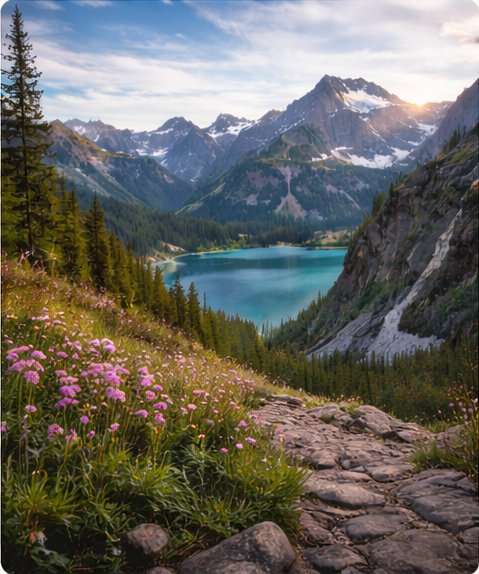
Glacier National Park encompasses over one million acres of pristine wilderness in northwestern Montana, straddling the Continental Divide and harboring some of the most dramatic alpine scenery in North America. Known as the "Crown of the Continent," the park protects 25 named glaciers, over 700 miles of hiking trails, 762 lakes, and a staggering diversity of plant and animal life. It is, without exaggeration, one of the most beautiful places on Earth.
But visiting Glacier requires planning. The park's popularity has surged in recent years, and the infrastructure, designed for a different era, means that access during peak season requires strategy, patience, and advance reservations. This guide covers everything you need to know to make the most of your visit.
When to Visit
The park is accessible year-round, but the prime visiting window is narrow. Going-to-the-Sun Road, the park's iconic 50-mile scenic highway, typically opens fully in late June or early July and closes for the season in mid-to-late October. The Many Glacier area opens around the same time. Snow can linger on high-elevation trails well into July.
Peak Season (July–August): The busiest time, with the warmest weather, longest days, and all trails accessible. Wildflower displays peak in late July. Expect crowds at popular trailheads and full parking lots by mid-morning. Vehicle reservations are required for Going-to-the-Sun Road during peak hours.
Shoulder Season (September–Early October): Many experienced visitors consider this the best time. Crowds thin dramatically after Labor Day, fall colors emerge, wildlife is more active as animals prepare for winter, and the quality of light for photography is exceptional. Some facilities begin closing, but trails remain accessible until snowfall.
Winter (November–May): Most of the park is inaccessible by car, but the west side remains open for snowshoeing, cross-country skiing, and winter solitude. The silence of Glacier in winter is profound and deeply peaceful.
Getting There & Getting Around
The nearest major airport is Glacier Park International (FCA) in Kalispell, about 30 miles from the park's west entrance. Missoula (MSO), about 2.5 hours south, offers more flight options and is a worthwhile alternative if fares are lower.
Going-to-the-Sun Road is the only road that crosses the park, and it's one of the most spectacular drives in the world. The narrow, winding road climbs over Logan Pass at 6,646 feet, with breathtaking views at every turn. Vehicle size restrictions apply, no vehicles or vehicle-trailer combinations longer than 21 feet are permitted between Avalanche Creek and Rising Sun.
The park operates a free shuttle system during peak season with stops along Going-to-the-Sun Road. Using the shuttle is highly recommended, it eliminates the parking headache and allows you to start and end hikes at different trailheads. Shuttles run from early July through Labor Day, with service from approximately 7:00 AM to 7:00 PM.
Vehicle Reservations
Since 2022, the park has required vehicle reservations to enter the Going-to-the-Sun Road corridor between 6:00 AM and 3:00 PM during peak season (typically late May through mid-September). Reservations are released in batches through Recreation.gov, a portion several months in advance and remaining slots 24 hours prior. Set a calendar reminder for release dates, as they sell out within minutes.
You do not need a reservation if you enter before 6:00 AM or after 3:00 PM, have a camping reservation within the corridor, or hold certain other park-issued permits. Entering before dawn is a popular strategy that also rewards you with softer light and fewer crowds on the trails.
Where to Stay
Inside the Park: Glacier has 13 campgrounds (over 1,000 sites) and several historic lodges, including the iconic Many Glacier Hotel, Lake McDonald Lodge, and the granite-and-timber masterpiece at Glacier Park Lodge. Campground reservations open six months in advance on Recreation.gov and fill quickly for peak dates. Some campgrounds maintain first-come, first-served sites, arrive early.
Gateway Communities: Whitefish (west side) offers the widest range of restaurants, shops, and lodging options. West Glacier has several lodges and cabin rentals right at the park entrance. On the east side, the small communities of St. Mary and East Glacier provide a quieter, more intimate base. Columbia Falls offers budget-friendly options within easy driving distance.
Essential Tips from Experienced Visitors
- Start your days early, before 8:00 AM, to beat the crowds and enjoy the best light
- Always carry bear spray and know how to use it before you need it
- Layer your clothing, mountain weather changes rapidly and dramatically
- Fill up your gas tank before entering the park; services inside are limited
- Download offline maps, cell service is extremely limited throughout the park
- If you only have one day, drive Going-to-the-Sun Road and hike the Highline Trail
- The Many Glacier area is worth the drive, it's the most scenic valley in the park
- Pack out everything you pack in; leave no trace in this pristine wilderness
The Glaciers Are Disappearing
This is not just a travel guide, it's a reminder that Glacier's namesake features are in retreat. In 1850, the park contained an estimated 150 glaciers. Today, only 25 named glaciers remain, and scientists project they could all disappear within the next 15–20 years. Visiting now means witnessing a landscape in transformation, a powerful reminder of the fragility of our natural world and the urgency of protecting it.
The park sees approximately 3 million visitors annually, with the vast majority visiting between June and September. Despite the crowds, Glacier retains a wildness that few parks in the lower 48 can match. Step more than a mile from any road and you're in genuine wilderness, vast, quiet, and humbling.